
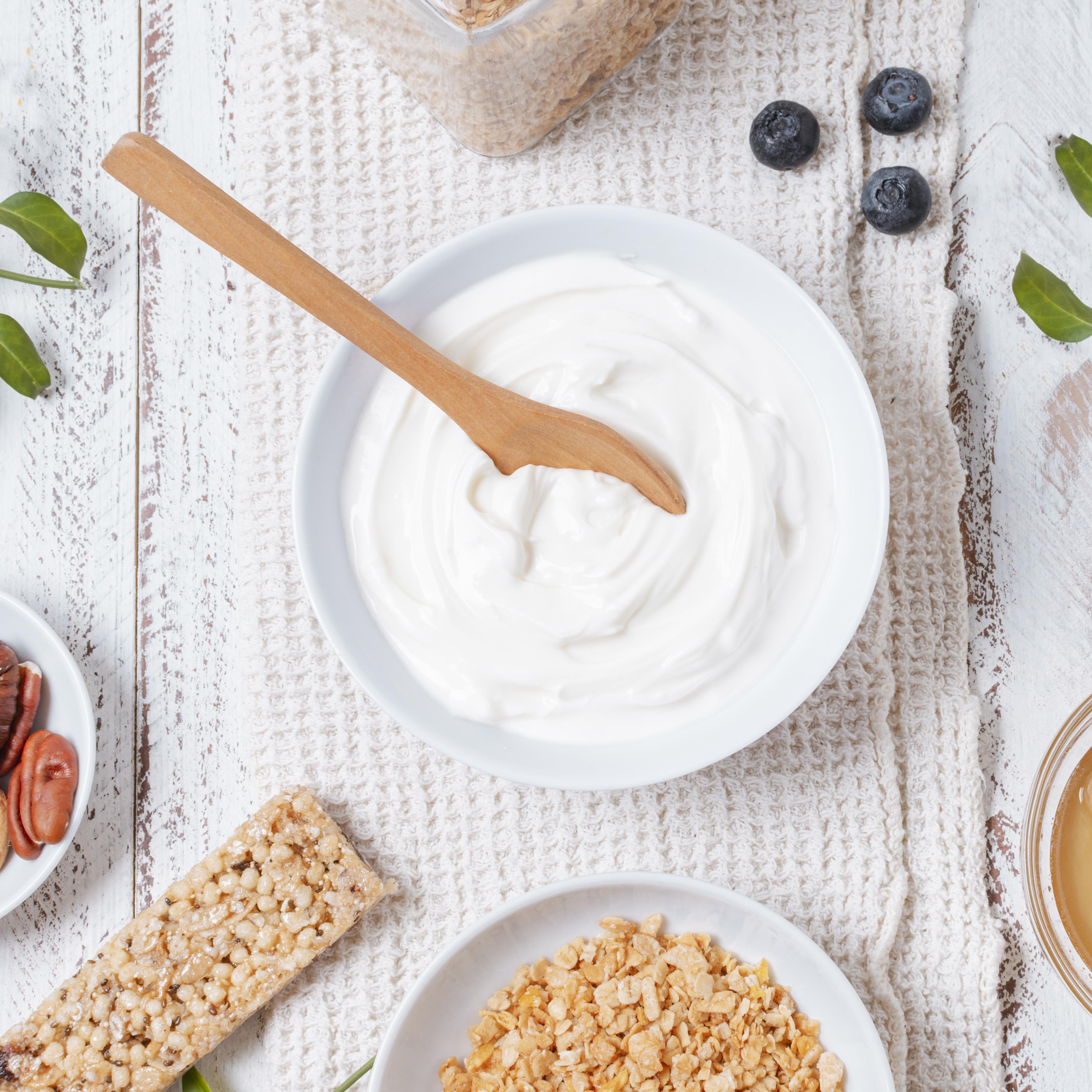
Greek Yogurt – The Basics
Greek yogurt, often called strained yogurt, is simply regular yogurt with most of its whey removed. This straining process makes it thicker, creamier, and higher in protein than standard yogurt.
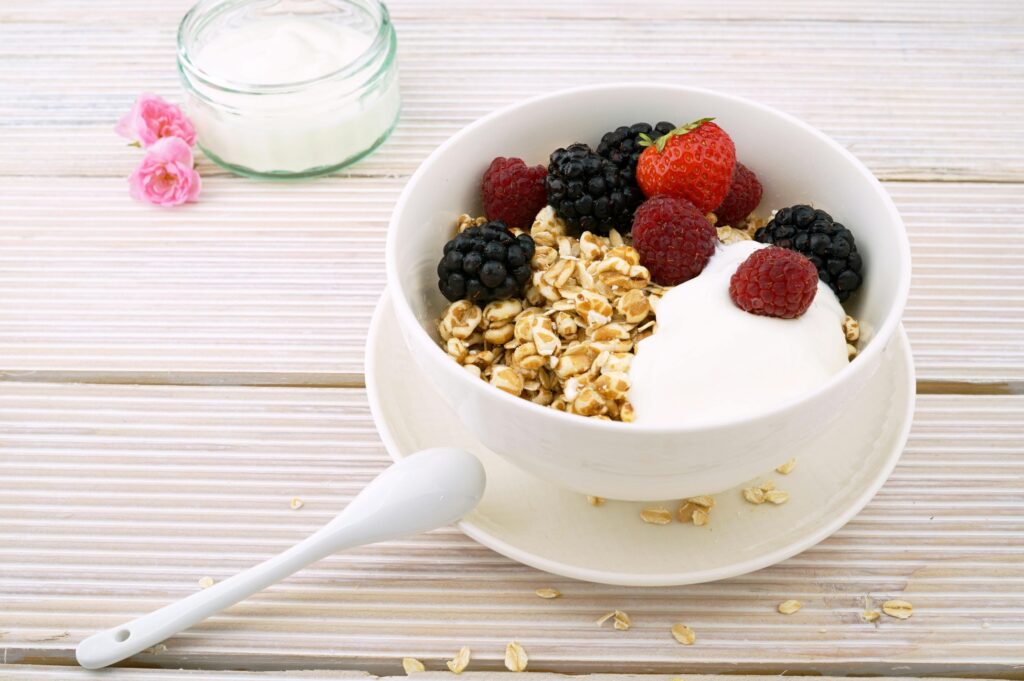
Think of it as the luxury version of curd — smooth, velvety, and versatile in cooking. It’s widely used in Mediterranean diets and is becoming increasingly popular in Indian kitchens for its health benefits and culinary flexibility.
Greek Yogurt vs Regular Curd – Key Differences
| Feature | Regular Curd | Greek Yogurt |
|---|---|---|
| Texture | Soft, loose | Thick, creamy |
| Protein | Moderate | High (2x–3x more than curd) |
| Fat | Varies | Usually lower (if made from low-fat milk) |
| Taste | Mildly tangy | Rich and tangier |
| Use in Cooking | Everyday dishes | Smoothies, desserts, dips, baking |
Pro Tip: You can make your regular curd into Greek yogurt easily by straining it — which brings us to the next section.
How Is Greek Yogurt Made?
Making Greek yogurt at home involves a simple straining process:
- Start with fresh, thick curd
- Strain it through a fine cloth or a yogurt strainer
- Collect the whey in a container
- Keep the thickened yogurt in the fridge for use
The longer you strain, the thicker your Greek yogurt becomes. Using a yogurt strainer like Zivanca’s Greek Yogurt Strainer simplifies this process and keeps it hygienic, mess-free, and consistent every time.
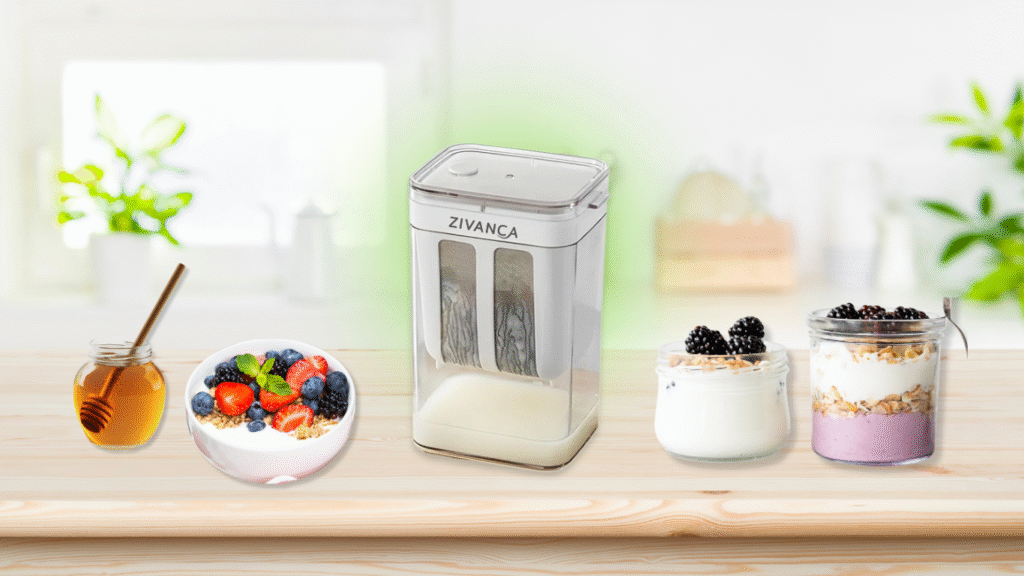
Includes Recipe eBook – Strain & Savor
Unlock 25+ vegetarian recipes curated for your Greek yogurt & hung curd adventures.
Available instantly via QR code inside the box.
No sign-up required.
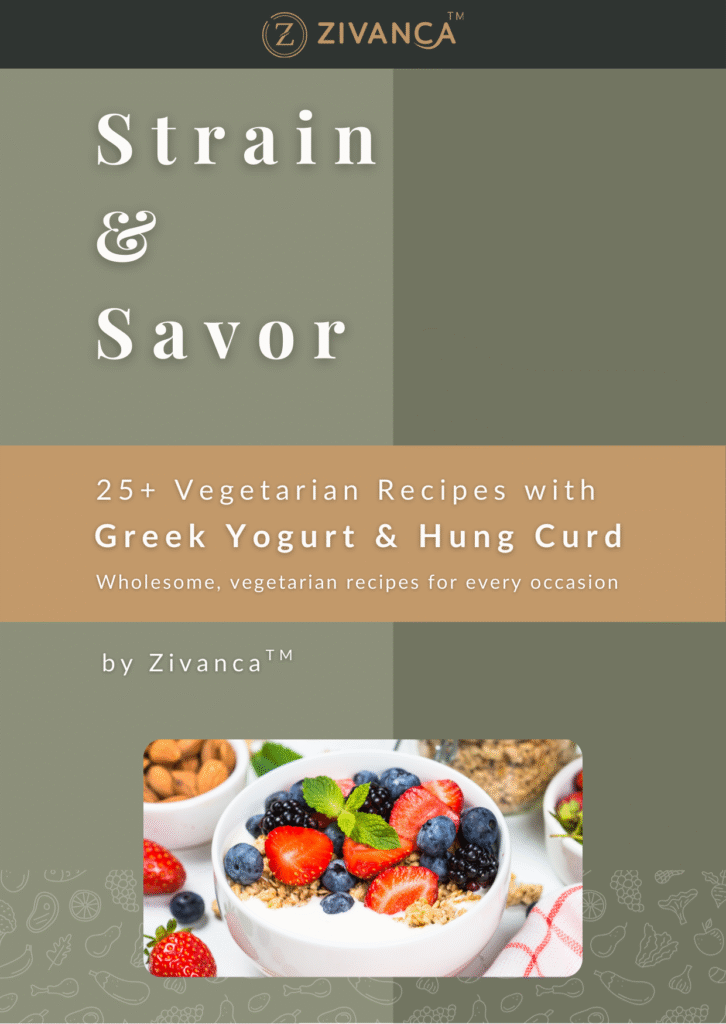
- Breakfasts, snacks, dips, salads, mains & desserts
- High-protein, vegetarian, gut-friendly recipes
- Includes yogurt flavoring tips, storage hacks & more
Health Benefits of Greek Yogurt
- High in Protein: Supports muscle growth and weight management
- Low in Carbs: Suitable for low-carb diets
- Probiotics for Gut Health: Improves digestion and immunity
- Calcium-Rich: Strengthens bones and teeth
- Versatile & Filling: Great for snacks, breakfast, and desserts
In short, Greek yogurt is a nutritional powerhouse — and a healthier alternative to plain curd for many people.
How to Use Greek Yogurt
- Smoothies & shakes: Blend with fruits and nuts for a protein-rich drink
- Desserts: Use as a base for shrikhand, parfaits, or healthy ice creams
- Cooking: Makes curries creamier without heavy cream
- Dips & spreads: Substitute mayonnaise or cream cheese
It’s both healthy and versatile, making it a must-have in modern kitchens.
Making Greek Yogurt at Home – Quick Tips
- Use full-fat or low-fat curd depending on your preference
- Strain overnight for maximum thickness
- Store in an airtight container to keep it fresh
- Keep the whey — great for smoothies, soups, or kneading dough
Using a fine-mesh strainer like Zivanca’s ensures perfectly creamy Greek yogurt every time.

Fun Fact
Greek yogurt originated in the Mediterranean region but has become a global favorite — not just for taste but for its high protein content, making it popular among fitness enthusiasts.
Frequently Asked Questions (FAQs)
A muslin cloth works, but a yogurt strainer like Zivanca’s is cleaner and easier.
They’re very similar; both are strained yogurt, but Greek yogurt is usually slightly thicker and creamier.
Keep it in the fridge in an airtight container for 3–5 days.
Yes! High in protein and low in carbs/fat, it helps you feel full while supporting muscle retention.